Going Circular at DECATHLON

To ensure sport remains accessible for future generations, we must fundamentally change how we do business and how we play. Keeping products in use as long as possible is a vital step in this shift toward a circular model. We are moving away from the 'take, make, dispose' model to keep products in play longer through rentals, buy-back, and second-hand sales, which also provide more affordable ways to play. These actions are backed by our goal to continue to grow these circular business models to account for a larger share of our global sales.

  • Circular sales represented 2.64% of DECATHLON’s global revenue in 2025

    *a 24% increase since 2024
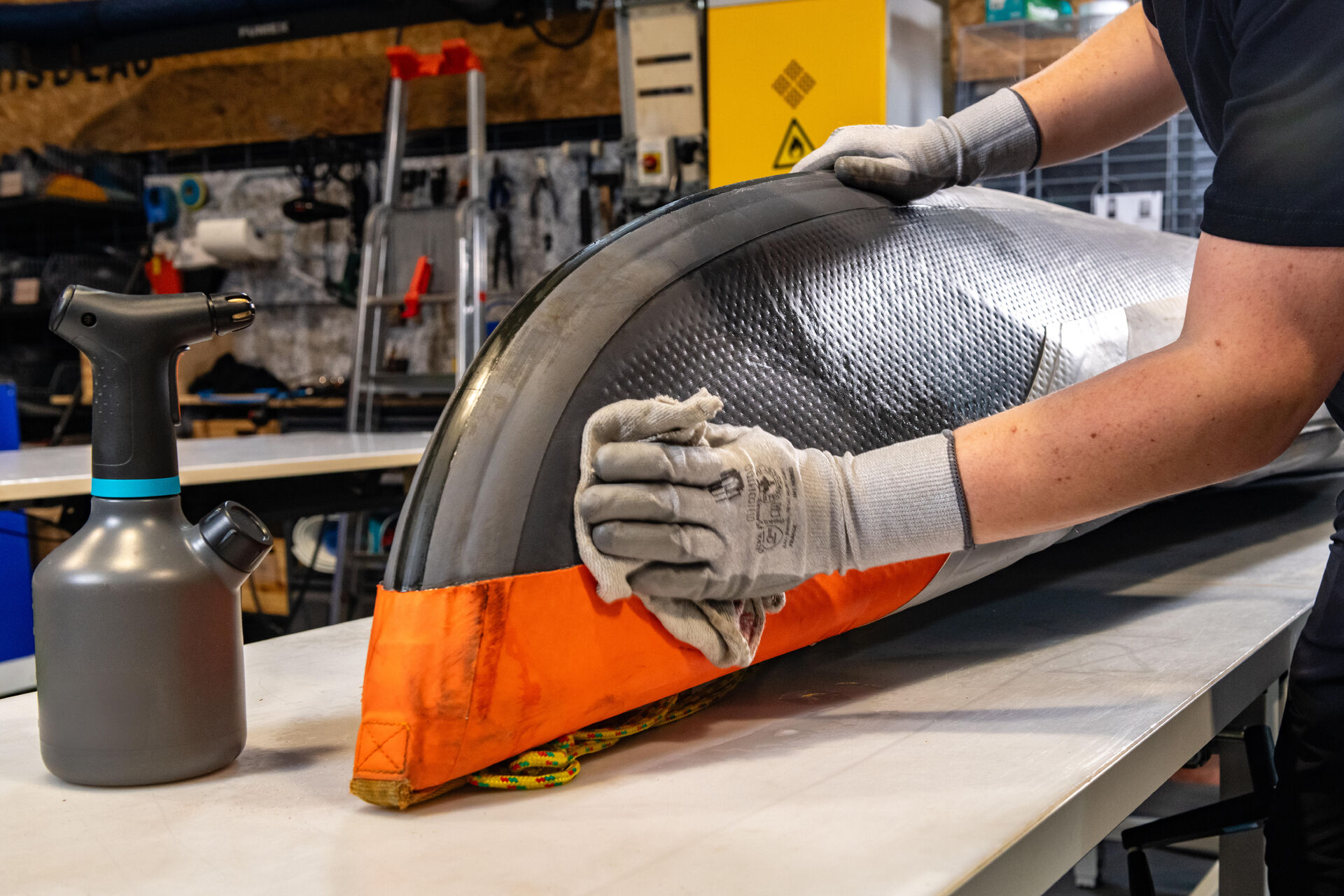
  • 1.45% of our global sales in 2025 were generated by product repair

    *the selling of products and services for the repair and maintenance of products
  • 0.92% of our net revenue is generated by the sale of second-hand products

  • Global sales from rentals reached €51.8 million in 2025

    *an increase of 43.5%

Extending a product’s lifespan

To go circular, we must design differently. This means reimagining our design process to prioritise durability and repairability from the initial design phase, using targeted diagnostics to guide choices of longer‑lasting materials and components. By applying repairability indexes to simplify maintenance and extend product life, it helps give you more value from your gear. Once these factors are optimised, our teams focus on integrating recyclability into the design.

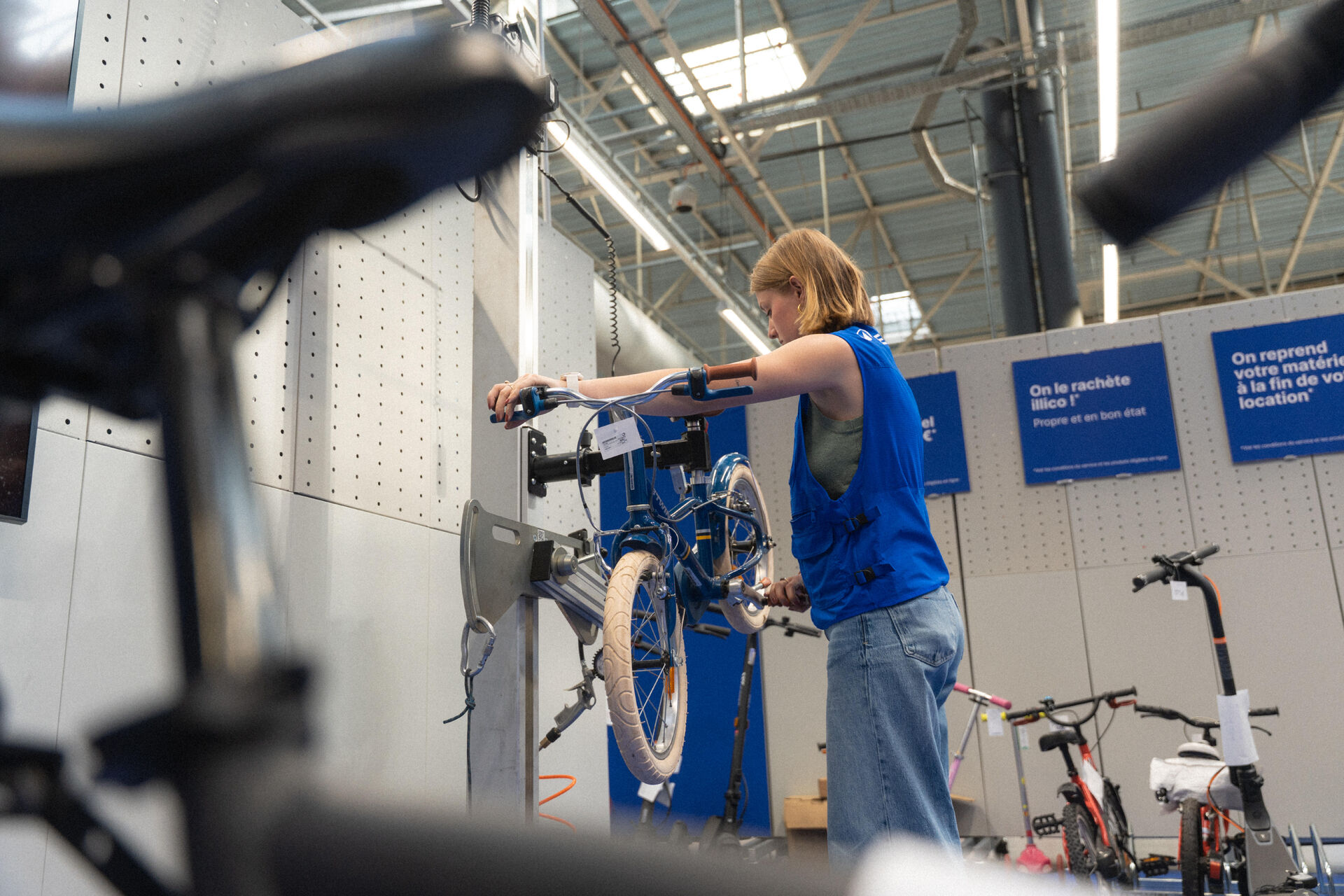
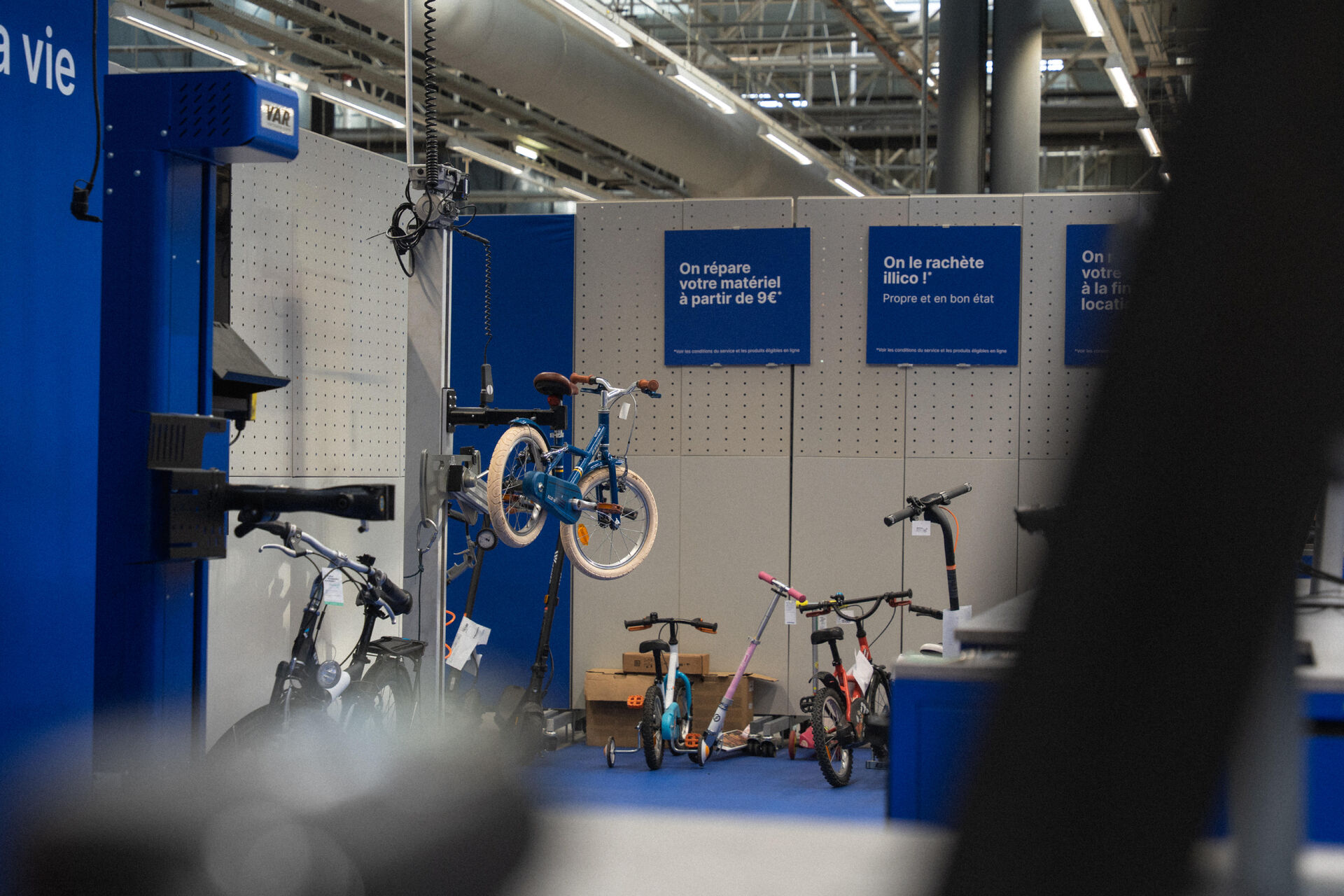
Repair workshops are part of our DNA

We’ve been repairing gear since our first workshops opened in 1986, naturally growing into the circular model we use today. We now have a global network of expert technicians working in our 1,746 in-store repair workshop locations. 

Giving sports products a new life

Since 2018, our second-life products have helped remove price barriers for people wanting to practice sport in a more affordable way. This service continues to grow and we’re working on developing online channels and centralising inventory. 

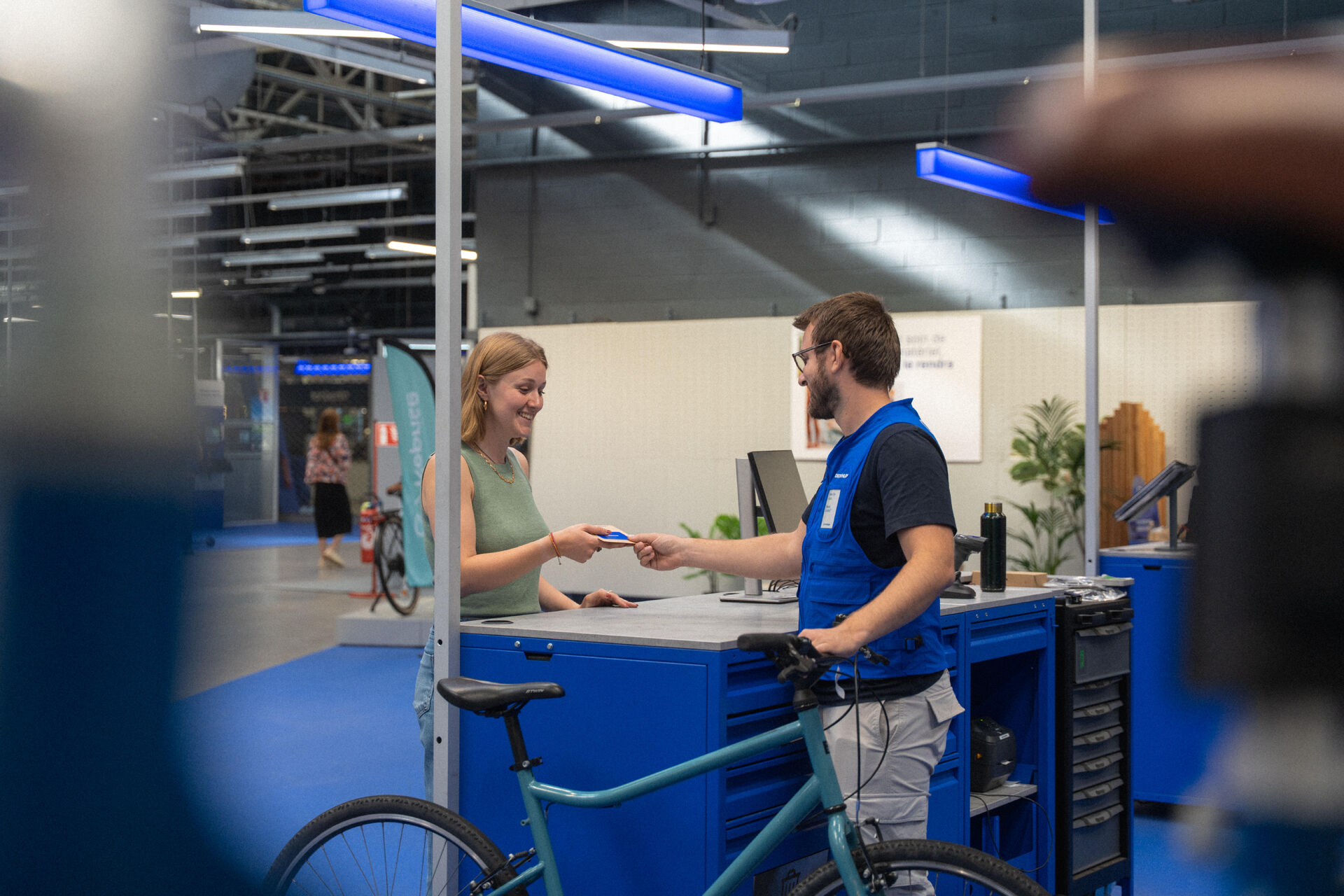
Our second‑life stock is partially fed from our buy‑back service, which was launched in 2018 and has expanded to cover over 150 product types. Buy-back items are inspected in store, then customers receive a voucher or bank payment depending on local options.

A new lease on sports

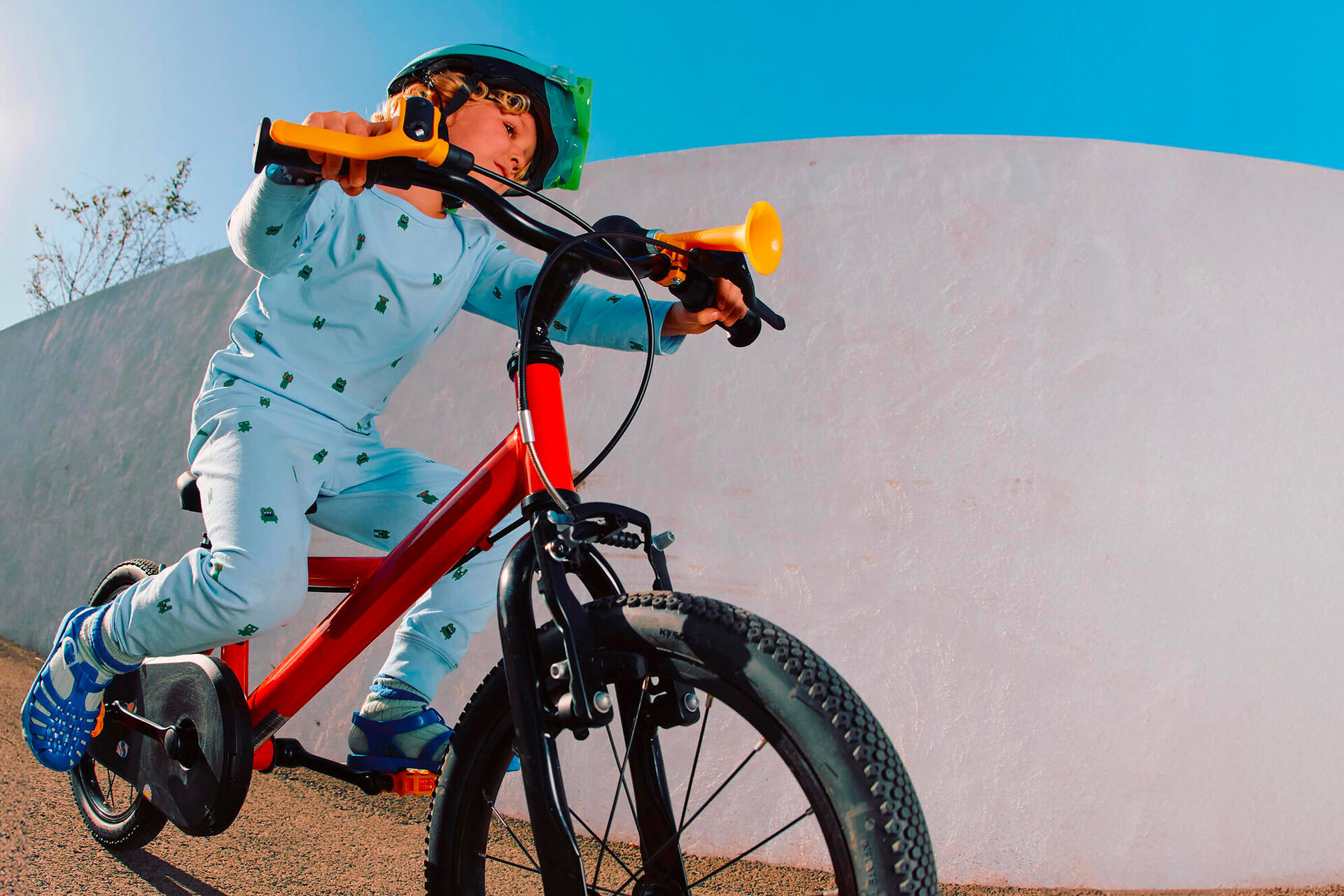
Rental services provide customers with a different way to discover sports and test new gear without a heavy investment - another way we are improving accessibility to sports. 

We have made rentals a strategic lever in accelerating our circular business by developing monthly subscription options.

  • 20countries

    offer short-term rentals
  • 54 countries

    offer a range of second-life products in-store
  • 7 countries

    offer monthly subscription services for children and adult bikes

Beyond the last play

We work hard to make your gear last, but even the toughest products eventually reach the end of their journey. When they do, our responsibility continues. Extended Producer Responsibility (EPR) regulations now cover many product categories including textiles, footwear and electronics, requiring producers to pay eco-contributions to fund end-of-life solutions and improve circularity of products.
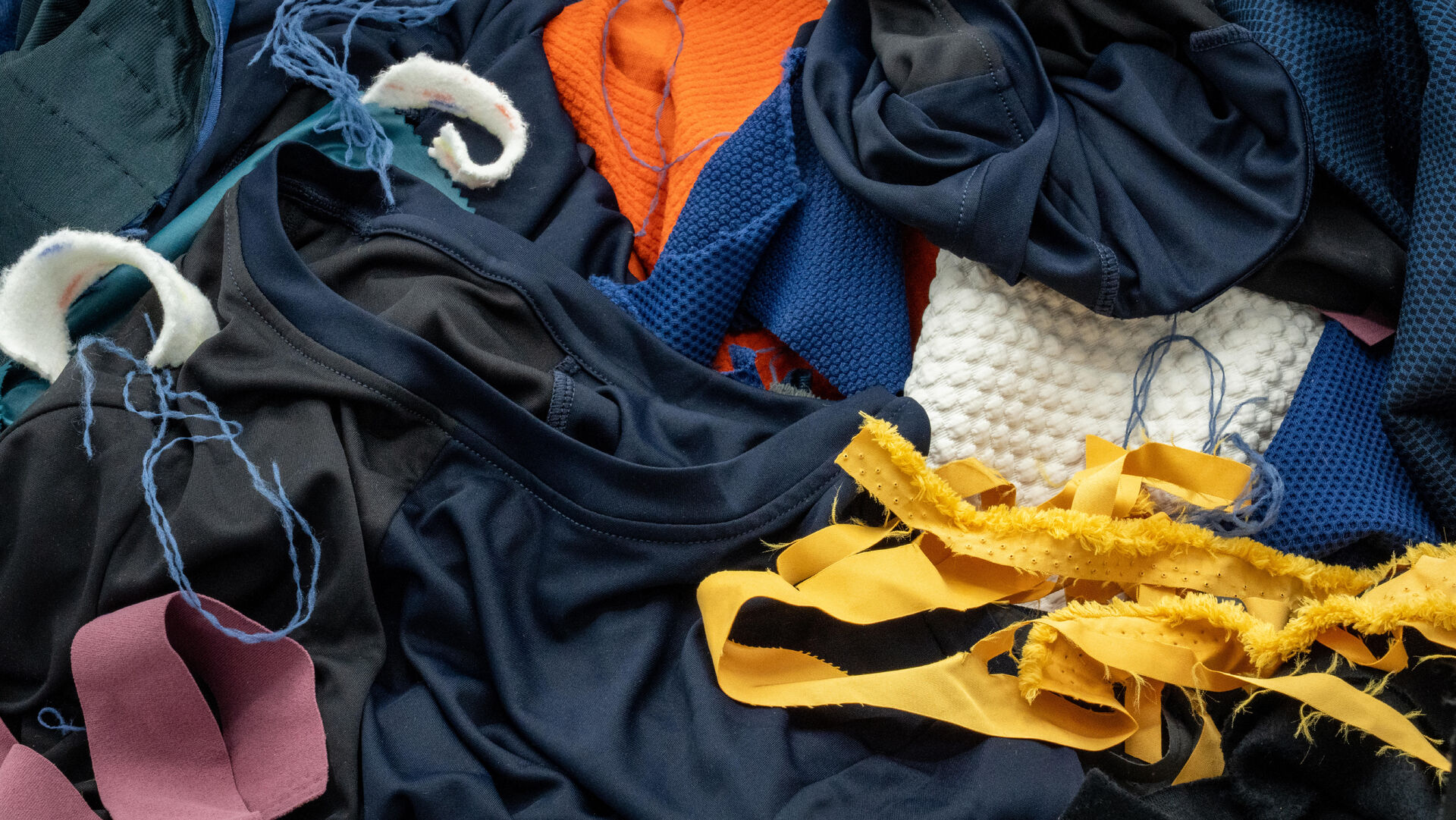
Our work in ecodesign, durability and repairability helps guide our approach but we don’t have all the answers to recycling yet. That’s why we partner with European projects like CISUTAC and SCIRT to tackle the biggest hurdles in sorting, disassembly and fiber recycling. 


DECATHLON has sat on the ReHubs Board of Directors since 2024 and our partnership with Recyc’Elit is helping to develop advanced recycling technology for complex textiles. Through this work we will continue to improve new waste streams and share best practices across Europe.


In 2025, DECATHLON received eco-modulations (financial incentives) for our work in circularity.

Moving forward together

DECATHLON is a proud member of the Ellen MacArthur Foundation, the world’s leading nonprofit organisation driving the circular economy transition. We collaborate with the Foundation to provide data‑based insights on our business challenges and accelerate scalable circular solutions. We are also participants in the Fashion ReModel project, working to implement circular business models at scale for textiles and footwear.


Through our investment arm and start-up studio, Decathlon Pulse, we also back the innovators making circularity a reality. This is evidenced by our partnership with Rebike. By merging our global reach with their digital refurbishment expertise, we are professionalizing the secondary market from sourcing to resale. This helps us scale circularity and provide broader access to high-quality, sustainable mobility across Europe.

Reducing our plastic footprint

We have implemented actions to reduce the environmental impact of our packaging by eliminating plastic components, transitioning from single-use to multiple-use packaging solutions and developing cellulose-based alternatives. 


Navigating the reduction of microplastics remains a complex technical challenge, and we continue to research ways to balance technical product quality with environmental responsibility. DECATHLON is an active member of the Microfibre Consortium and regularly uploads results to their database to help advance industry-wide research. We also remain engaged with the Plastic Footprint Network to help integrate microplastic issues into product environmental ratings.

  • 135tons of SUP

    *(single-use plastic) was removed in our packaging in 2025
  • 79.5% SUP reduction

    in our single-use plastic usage worldwide since 2020
  • 0SUP bags

    Since December 31, 2024, we no longer offer single-use plastic checkout bags in our shops worldwide