Our ecodesign approach & raw materials

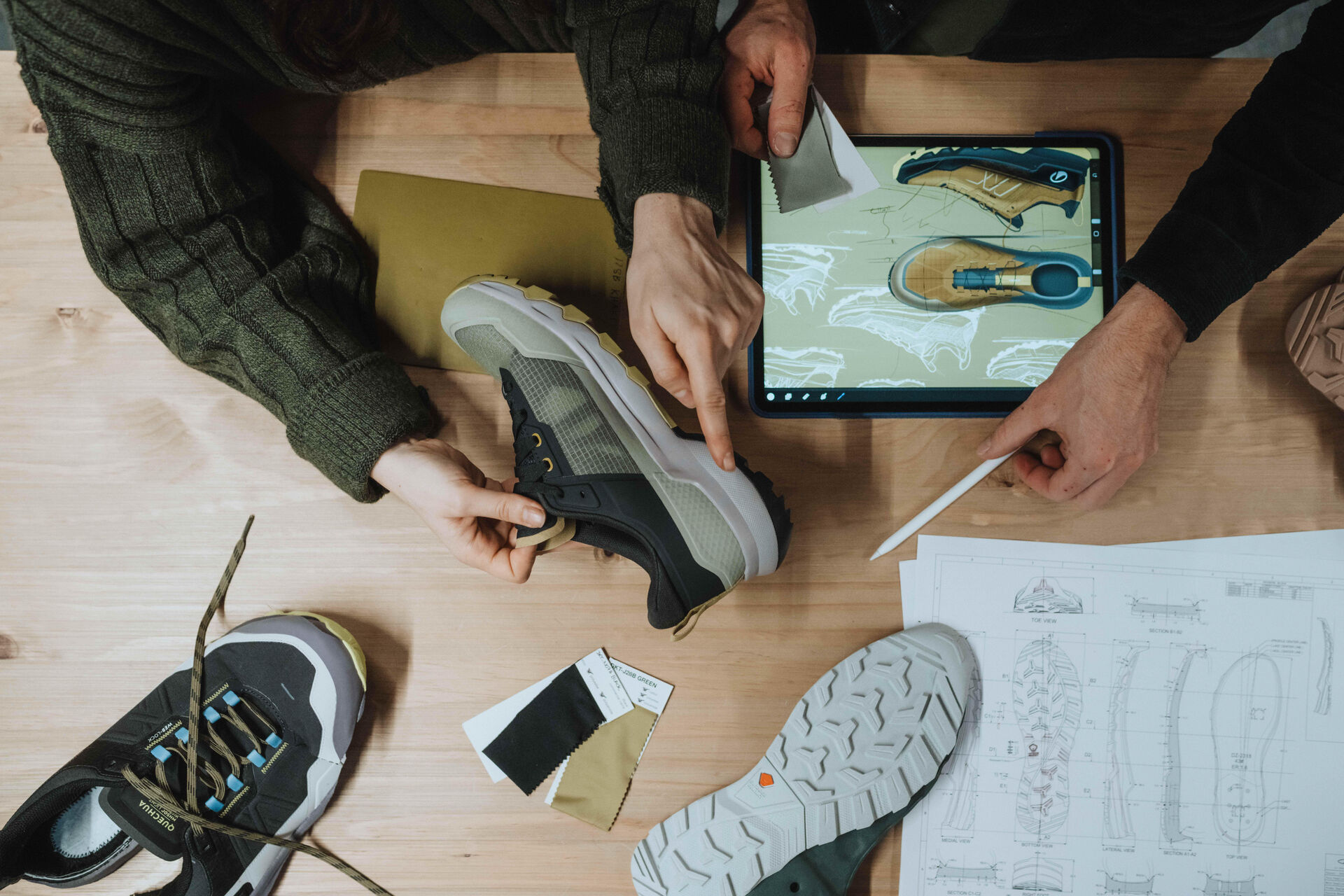
We want everyone to enjoy sport and well-being for years to come, but we recognize a hard truth: every product we make has an environmental impact, and it is our responsibility to reduce it. We are meeting this challenge by rethinking our gear from the ground up, choosing materials with a lower carbon footprint and adopting manufacturing processes that require less energy. We know every choice counts, and we’re working to make better ones every day.

Key Figures

  • 54% of our products benefit from an ecodesign approach
  • 83% of our polyester is recycled and/or dope-dyed

  • 57 testing standards created by our teams to guarantee your gear lasts longer

Our design principles

To focus our efforts where they matter most, we measure the carbon footprint of our products. Since the majority of our impact stems from materials and manufacturing, we prioritise improvements there first. While we choose materials for their technical qualities, we also work to find a balance between that performance and the environmental impact of those materials and processes. This is a challenge we take on to preserve technical standards and accessible pricing you expect from us.

Raw Materials

Polyester:

-> Recycled from bottles

We turn old plastic bottles into technical gear. This process reduces CO2 emissions by at least 17% compared to virgin polyester.


-> Recycled from textile waste

We recycle fabric scraps and old clothes into new fabrics. In 2025, 10% of our recycled polyester apparel came from textile waste. 


Cotton:

Growing cotton uses a lot of water and can affect soil health. The cotton sourced for our products comes from BCI (Better Cotton Initiative), USCTP (US Cotton Trust Protocol), organic, or recycled cotton. 


-> Organic

Grown without GMOs or chemical pesticides to limit the impact on ecosystems. This reduces CO2 impact by at least 23% compared to conventional cotton.


-> Recycled

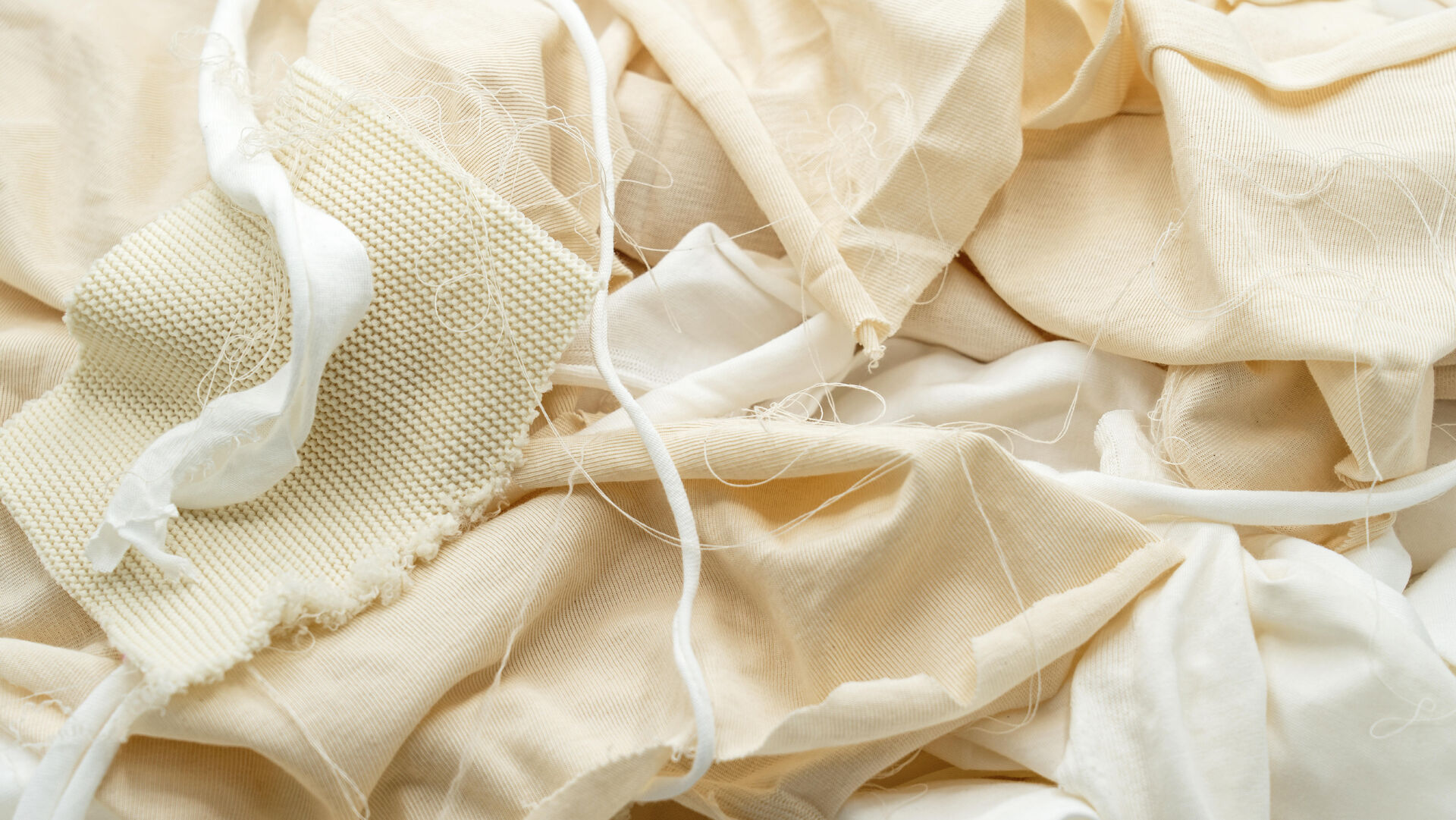
We mix fibers from old clothes or factory scraps with virgin cotton. This reduces CO2 impact by 14% to 48% depending on the source, while keeping the same soft feel.

Metals

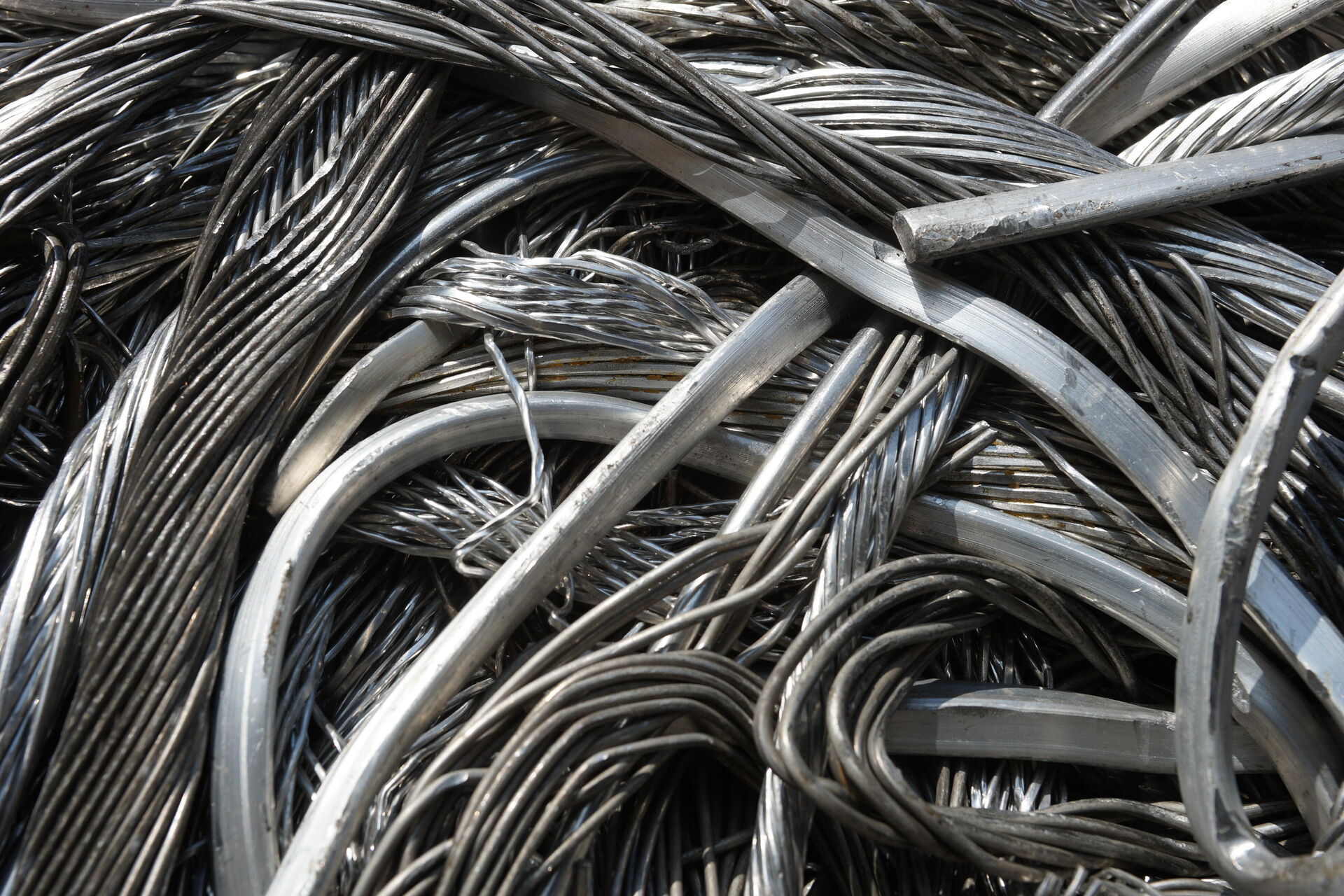
To avoid extracting new raw materials, we use recycled scrap metal whenever possible. It uses up to 95% less energy and lowers CO2 emissions by 10% compared to virgin metal while maintaining the identical strength and quality your equipment needs.

Dyeing processes

Dyeing processes:

Traditional dyeing requires a lot of water and energy. We prioritize solutions that reduce pollution, resource consumption and CO2 emissions.


-> Greige

By using textiles in their natural, undyed state, we skip the most polluting manufacturing step. The result: 53% less CO2 emissions compared to conventional dyeing.


-> Dope-dyed

We add color pigments directly into the material before it becomes a thread. This reduces CO2 emissions by 17% compared to conventional techniques.


*All CO2 emissions calculations were done using PEF methodology