Climate Action

If we want future generations to enjoy the sports of tomorrow, we have to confront climate change today. That’s why we’re transforming how we operate by reducing our emissions, switching to innovative and circular solutions, and supporting customers to adapt to a changing climate. While this is a challenging journey, we are moving forward using science-based targets that guide our roadmap to limit the impact on the places we play.


Key Figures

  • -14% carbon emissions in 2025 while simultaneously growing our sales

  • A- on the 2024 Carbon Disclosure Project climate questionnaire

  • 100% of renewable electricity was used in our stores and warehouses in 2025

  • All of our Tier 1 and Tier N suppliers phased out of coal use at the end of 2025

DECATHLON's Net-Zero target

We have aligned our climate action roadmap with the Science Based Targets initiative (SBTi) to ensure our emissions reduction plan is grounded in climate science. 


DECATHLON is committed to reducing greenhouse gas emissions across its entire value chain in order to be Net-Zero emissions by 2050.


Near-Term target: Decathlon commits to reduce absolute scope 1 and 2 GHG emissions 42% by 2030 from a 2021 base year. 

Decathlon also commits to reduce absolute scope 3 GHG emissions 42% within the same timeframe.


Long-Term target:
 Decathlon commits to reduce absolute scope 1 and 2 GHG emissions 90% by 2050 from a 2021 base year. 

Decathlon also commits to reduce absolute scope 3 GHG emissions 90% within the same timeframe.

*All reductions are measured against a 2021 base year. By 2050, any remaining residual emissions (maximum 10%) will be neutralized in accordance with SBTi criteria.

Measuring our carbon footprint

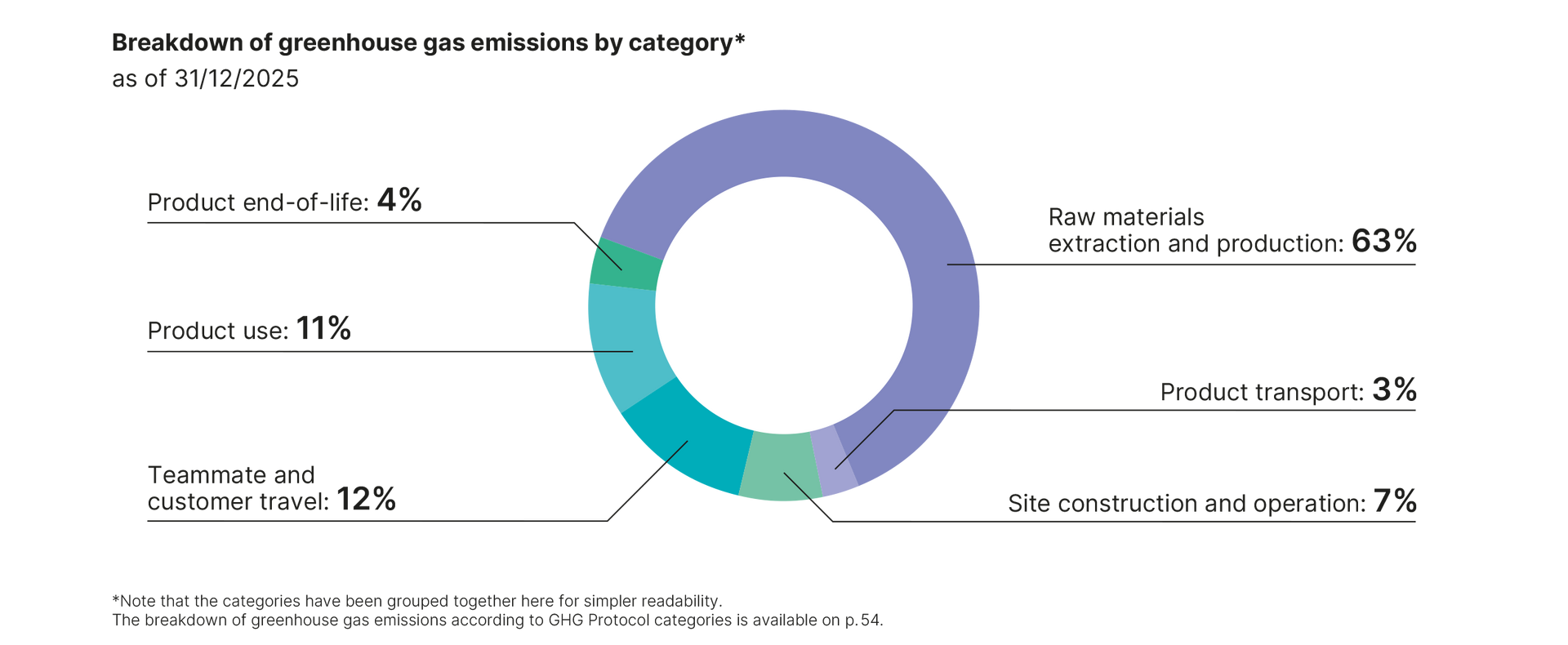
As a company that manufactures sporting goods, the main source of our emissions are the materials and production practices we use to make our products. How we distribute and sell those products, how those products are used, and what happens to those products at the end of their life are all smaller but important parts of our footprint that we also work to address. 

Meeting the challenge of climate change

Climate action is a long-term commitment, not a one-time effort. Having a clear picture of our impacts allows us to prioritise the actions that drive real change. Inspired by the recommendations set out by the Net Zero Initiative, we are taking action by reducing the environmental impact of our products; lowering emissions from the energy we use; shifting to a more circular business model; engaging our stakeholders; and looking at emissions beyond our value chain such as customer and employee travel.

Designing products for a smaller footprint

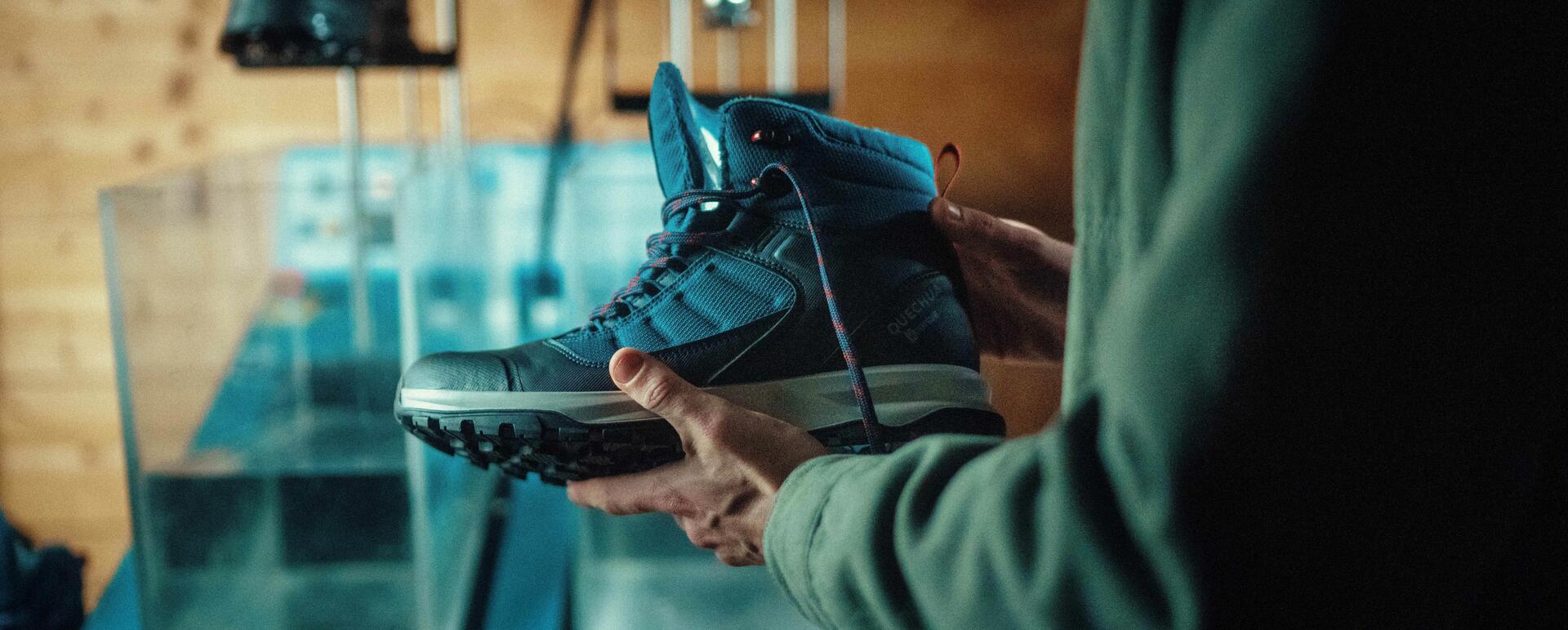
By using more sustainable raw materials, with a focus on metals, textiles, and footwear, we are reducing CO2 emissions across our highest-impact categories. Our teams are changing the way they design our products in order to minimise material use, reduce production energy and maximise recycled material content up to the technical maximum without compromising quality. We are also integrating end-of-life considerations directly into the design stage to better prioritise materials that can be recycled at end‑of‑life. This work is as difficult as it is necessary and by facing these challenges head-on, we strive to create the best performing, most sustainable products that are accessible to all.

Reducing the impact of the energy we use across our value chain

Energy use in production

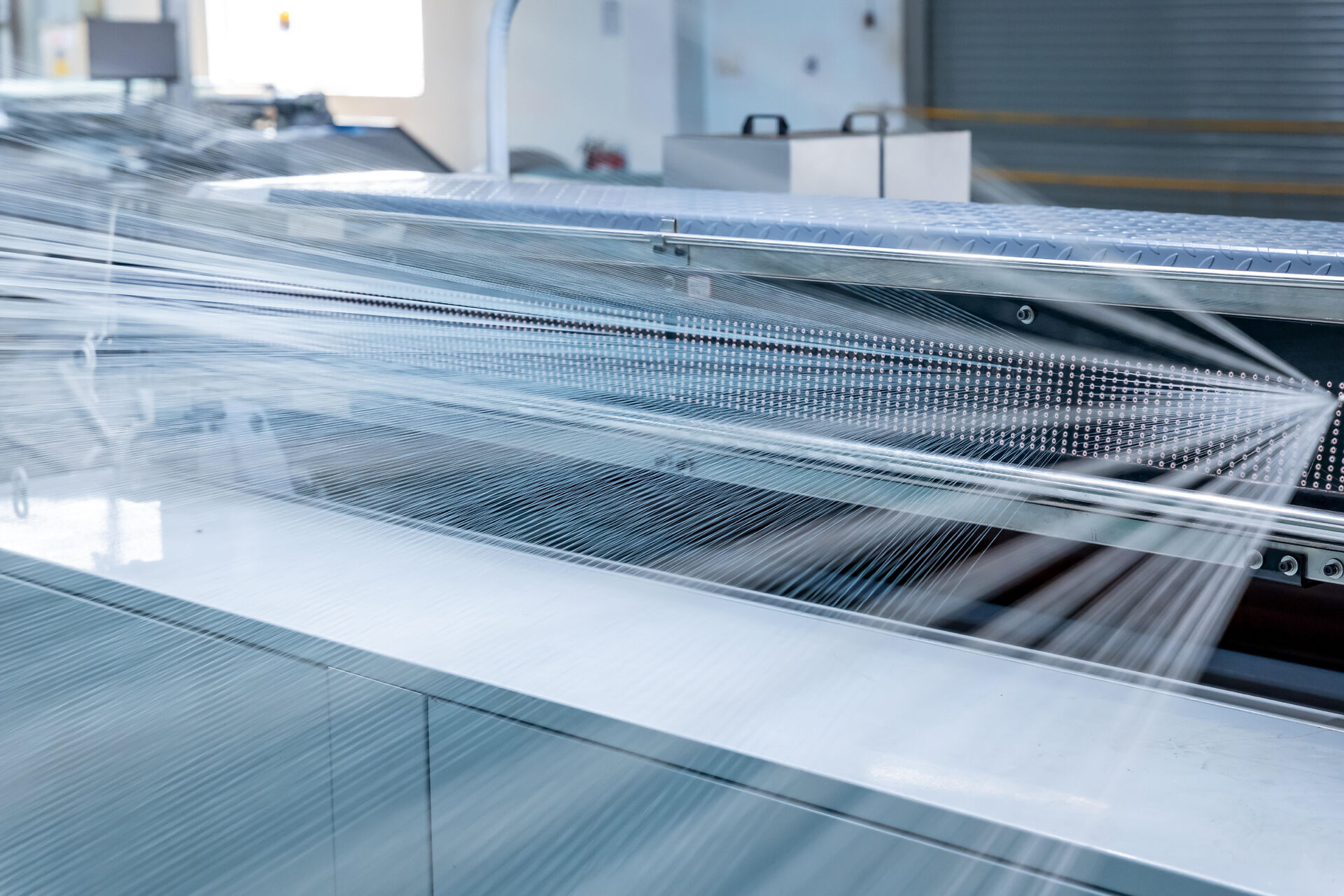
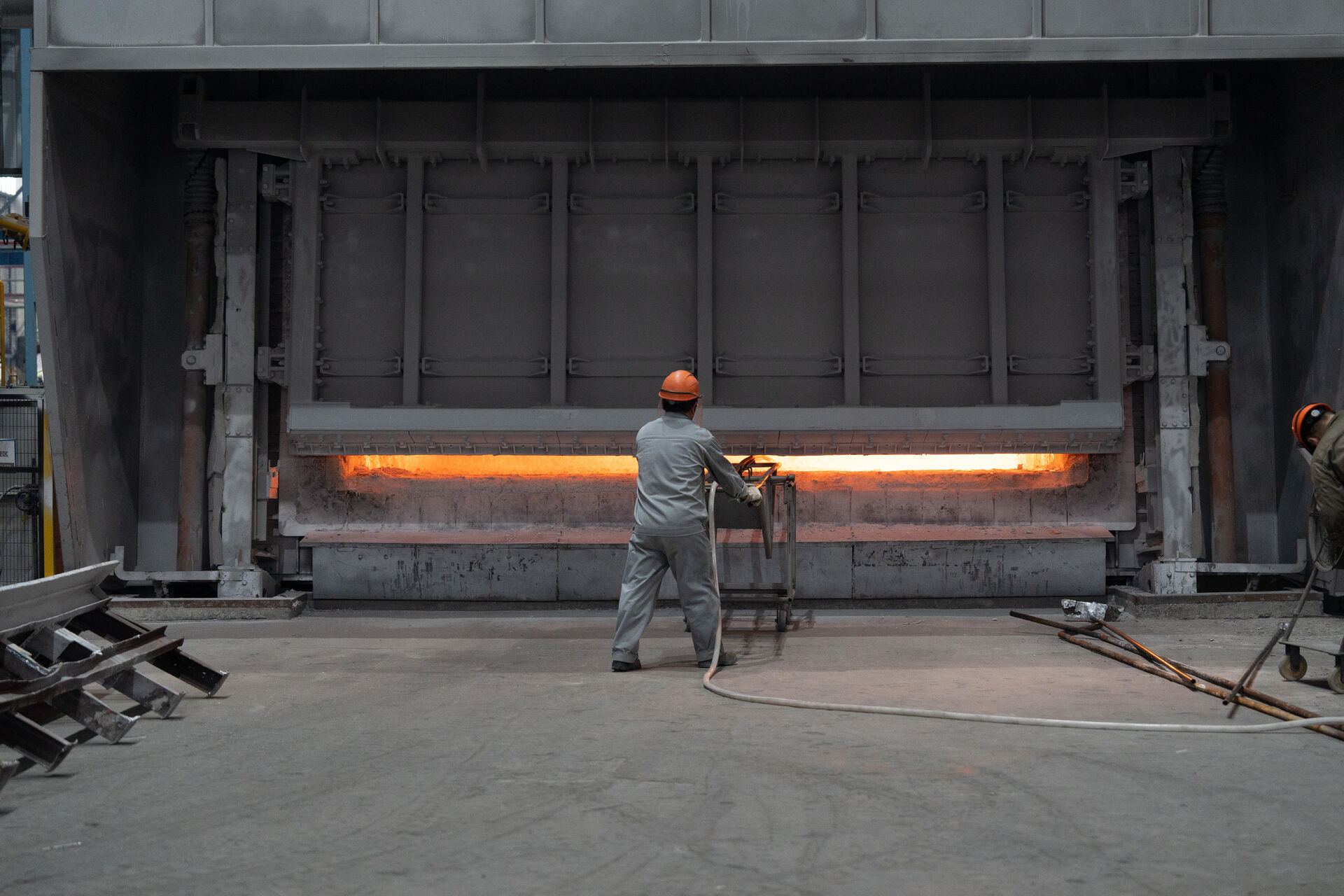
We work closely with our suppliers to reduce energy use in production and lower the carbon intensity of their energy mix. Our design teams work to improve efficiency by simplifying product designs to cut unnecessary processing stages, and choosing less energy‑intensive methods like innovative dyeing. Our teammates work to transition our suppliers towards the lowest impact forms of energy for their manufacturing needs and we joined the global RE100 initiative in September 2018 to help guide us on our journey. 

  • 67.7% RE

    Renewable electricity used at priority production sites in 2025*
  • 55PPAs

    Power Purchase Agreements and / or solar panel projects in priority production sites in 2025

*Decathlon’s priority animation list is composed of production sites representing 90% of measured emissions for activity dedicated to Decathlon. As of December 31, 2025, this list comprises 465 production sites.

DECATHLON sites

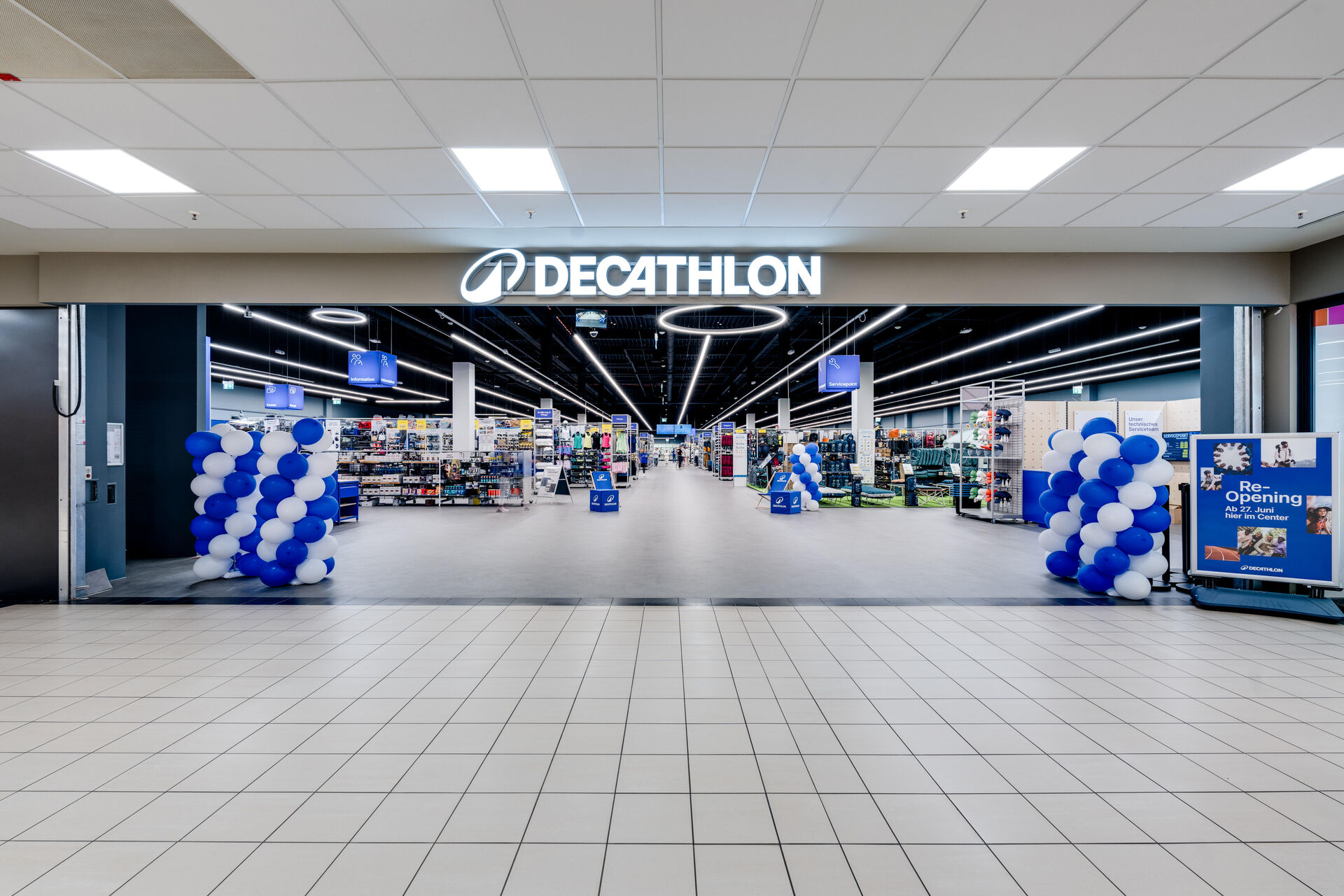
To make our DECATHLON sites more efficient, we prioritise the use of renewable energy in stores and warehouses and deploy energy‑efficiency technologies that reduce and optimize the energy used at those sites. We favour refurbishing existing buildings to create our DECATHLON stores and offices rather than building new shops.

Optimising transportation

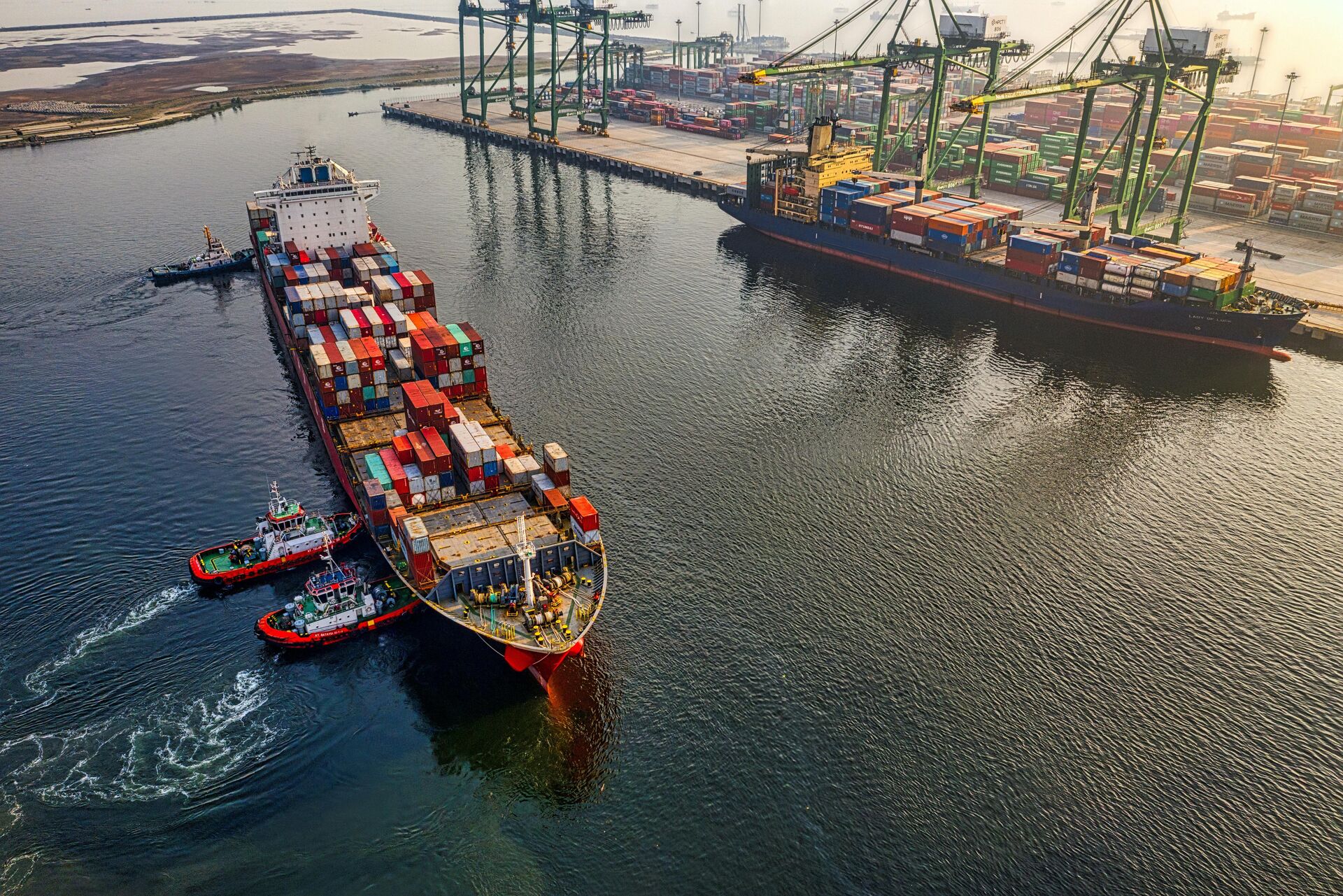
While transportation accounts for a smaller portion of our carbon footprint, every kilometer counts. We’re streamlining logistics to cut the kilometres each product travels. We limit air freight in favour of sea transport and we’re working to decarbonise road transport by adopting alternative energies and shifting to lower‑carbon modes like trains and barges. We've partnered with our international transport suppliers to switch to lower‑carbon fuels and we're also pursuing lower‑emission delivery solutions for the last mile.

Driving new business models

To continue our mission of making sport and wellbeing more accessible, we are developing new circular services that keep gear in use longer. We’re designing more durable and repairable products that are suitable for rental and second‑life use. We’re also expanding our repair, rental and second‑life services to give equipment many more lives, at an affordable price.

Engaging our stakeholders

Because we can’t win this fight alone, we team up with organisations like RE100 and UNFCCC to work collectively as an industry to cut emissions. 

Mobility and emissions beyond our value chain

To mitigate the CO2 emissions caused by customer and teammate travel, we accelerated site accessibility audits across 52 countries in 2024 to improve electric vehicle (EV) charging and cycling infrastructure. Building on this, we achieved 688,095 tCO2eq in avoided emissions in 2025. 


We also joined the Climate Dividends association to help develop a framework for companies to calculate their avoided emissions. Through our collaboration, we are now integrating connected bike data and developing new frameworks to put a value to avoided emissions from rental and second-life circular models. 

Environmental impact in DECATHLON’s value chain

DECATHLON’s minimum environmental requirements and ambitions are set out in the company’s Supplier Code of Conduct. The Code’s application is verified with regular on-site visits by DECATHLON’s teammates and an internal and external audit system. Our environmental audit grid serves as a shared diagnostic tool. By assessing risk governance, water, waste, air pollution and decarbonisation practices, we help our partners identify where they can make the most meaningful improvements to meet SBTi commitments. Since 2024, our grid also includes criteria that meet the standards of the Roadmap to Zero programme established by the ZDHC Foundation


  • 94.1%

    of relevant Tier 1 & Tier N supplier sites were rated A, B or C during environmental audits in 2025